Photos: Up close with the HTC Vive virtual reality headset

  • vive7.jpg

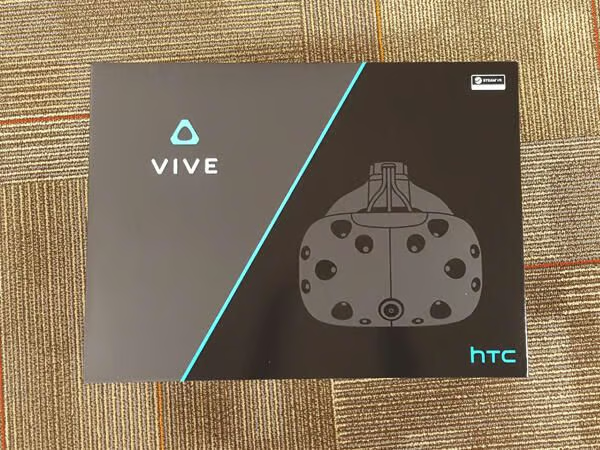
    1. A big box of VR

    The HTC Vive started shipping in early April 2016. The box contains everything a user needs to get started, except a powerful PC.

    Image: Erin Carson\/TechRepublic
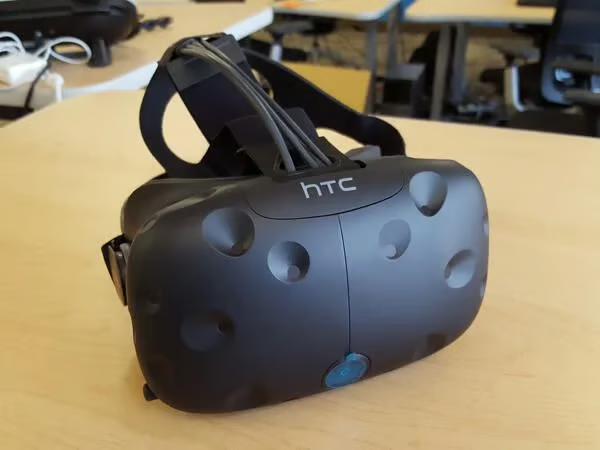
  • 2. The headset

    The Vive headset fits over the user’s head like a baseball cap and uses an internal display.

    Image: Erin Carson/TechRepublic
  • vive2.jpg

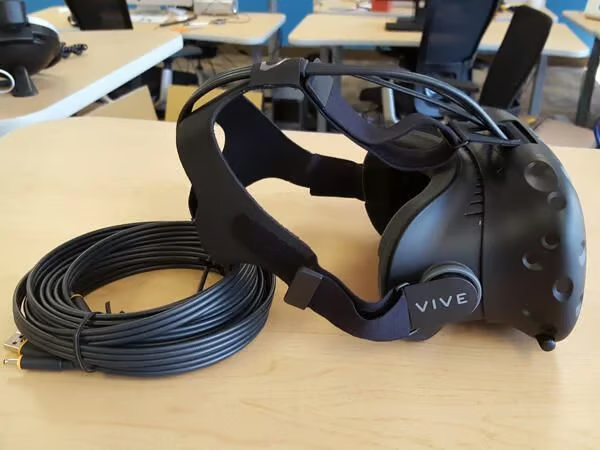
    3. Tethered to the computer

    As you can see, the headset is tethered to the computer with a sizable bundle of cables.

    Image: Erin Carson\/TechRepublic
  • vive4.jpg

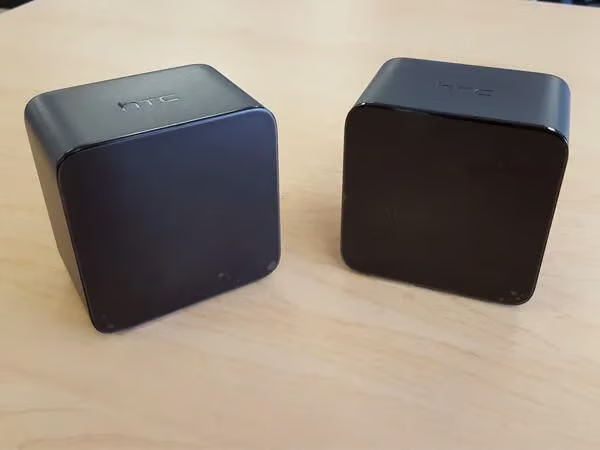
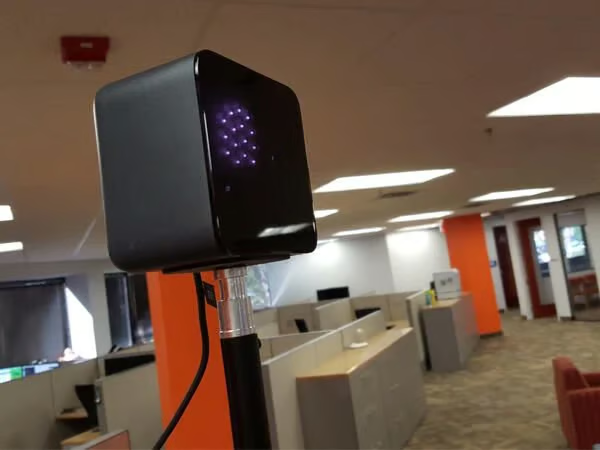
    4. Movement tracking

    The Vive comes with two base units that track the user’s movement.

    Image: Erin Carson\/TechRepublic
  • vive3.jpg

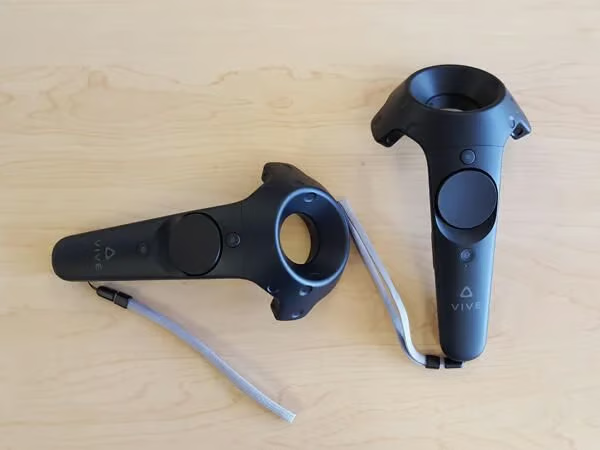
    5. The hand controllers

    The Vive’s hand controllers are very comfortable and include haptic feedback.

    Image: Erin Carson\/TechRepublic
  • vive6.jpg

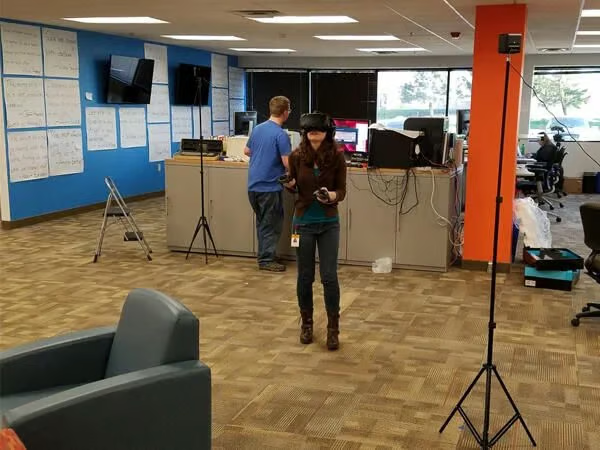
    6. A full-room experience

    The Vive, unlike its competitors, offers a full-room experience, so the user can move around a designated space that can vary depending on what users have available.

    Image: Kyle Blagg
  • vive5.jpg

    7. Mounting the base stations

    The base stations can be mounted on walls or on tripods.

    Image: Erin Carson\/TechRepublic
  • vive8.jpg

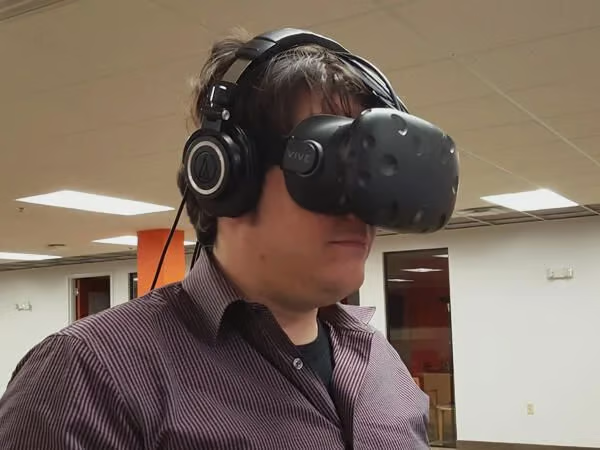
    8. Sound

    The Vive does not come with built-in headphones, though, so you’ll need your own.

    Image: Erin Carson\/TechRepublic
1 of 8
Erin Carson

As a global nomad with experience living and raising children in China, the USA and Europe, Erin Carson loves to share her knowledge of both literature and travel through her writing. Carson has a master's degree in library science and a…