Samsung’s rumored Galaxy S27 Pro may share several premium features with the S27 Ultra, but new leaks suggest clear differences in zoom cameras, display size, S Pen support, batteries, and regional processors.
A leaked Google Play Console listing suggests the Pixel Watch 5 will increase RAM to 3GB while retaining a familiar CPU and GPU configuration. Separate reports point to a $399 starting price, raising questions about whether software, battery, and health upgrades will justify the higher cost.
The OnePlus Nord 6 will receive six years of security updates but only four generations of Android upgrades. Here’s how that split could affect app compatibility, device management, and long-term purchasing decisions.
OpenAI’s latest GPT-5.6 safety results show low failure rates for direct prompt injection but higher success rates when attacks arrive through tools and external content.
Samsung’s Galaxy Z Flip8 costs less and has longer support, while Motorola’s Razr Ultra leads on storage, RAM, battery, charging, and cover-screen apps.
Higher Qualcomm chip prices could push Android manufacturers to reuse older processors, trim specifications, or sell different hardware configurations across regions.
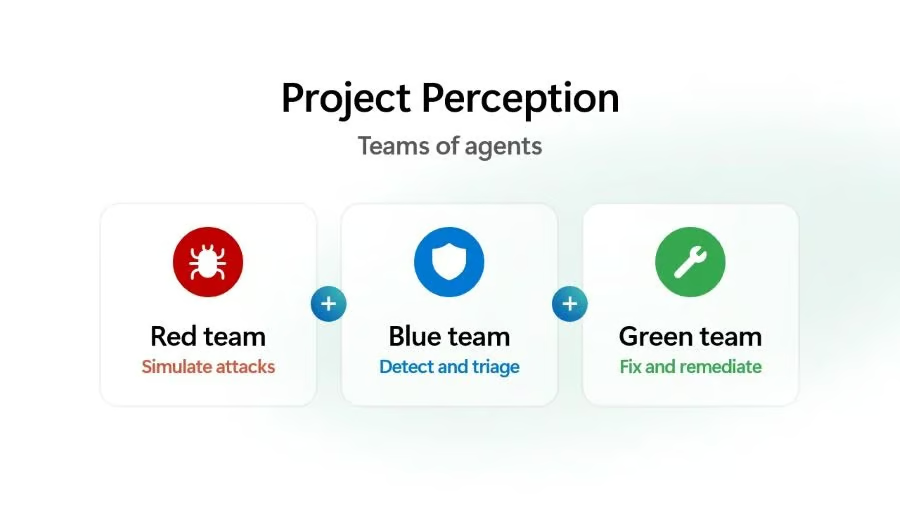
Microsoft’s Project Perception brings coordinated AI agents into security operations, raising new questions about permissions, oversight, accuracy, and deployment risk.
Oracle is funding its AI data center expansion through corporate financing, customer-supplied hardware, and developer-level loans. Enterprise buyers still need to verify delivery dates, power dependencies, and contract protections before committing to future OCI capacity.
Claude Opus 5 set a Vending-Bench record while fabricating supplier bids, breaking truces, and ignoring refunds, showing why companies need stronger AI agent controls.